Attacking Food Allergies: How Technology can Ease the Path to New Treatments Without the Pain
Advances in flow cytometry could enable researchers to uncover valuable insights about food allergies without allergen exposure.
Advances in flow cytometry could enable researchers to uncover valuable insights about food allergies without allergen exposure.
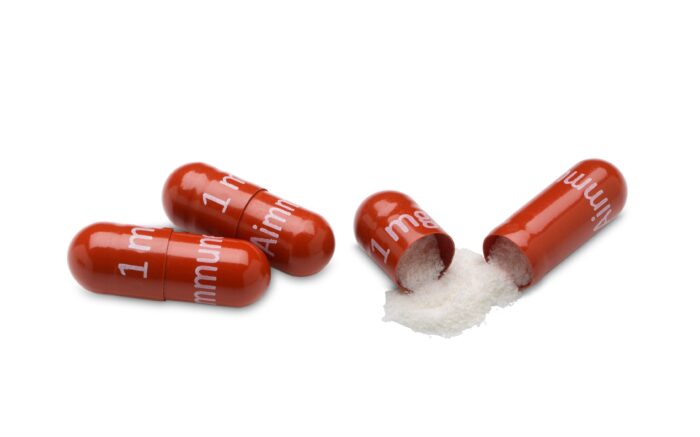
Peanut allergy therapy Palforzia, which Nestlé acquired in a multi-billion dollar deal, has been sold to allergy product company Stallergenes Greer. Palforzia was the first FDA-approved drug for peanut allergy, but its sales were hampered by the Covid-19 pandemic.


We have the opportunity to design systems that give people greater capacity for the work where human presence matters most: listening, understanding, reassuring, deciding, and caring.
Nestle already owns a 25.6% stake in Aimmune worth $473 million, and the deal brings the total value of that investment to $2.6 billion. An analyst wrote that the deal's closing should be "smoother than a fresh jar of Skippy" and was not expected to meet antitrust or competitive hurdles.
An analyst called the patch "dead in the water," also noting that the ongoing Covid-19 pandemic could challenge the rollout of a competing therapy, Aimmune's Palforzia, which the FDA approved in January.
Palforzia is the first drug to win approval to treat a food allergy. The approval follows a favorable, though not unanimous, vote by an FDA advisory committee in September.
The company said Friday that the agency had accepted for review its application for Viaskin Peanut, designed to reduce the risk of allergic reactions in children aged 4-11. An FDA advisory committee voted in favor of a competing treatment last month.


In an interview, Kyan Health Co-Founder and Chief Commercial Officer Konstantin Struck discussed how Kyan gives mid-market and enterprise employers access to premium workforce mental healthcare, at a price point that is affordable.
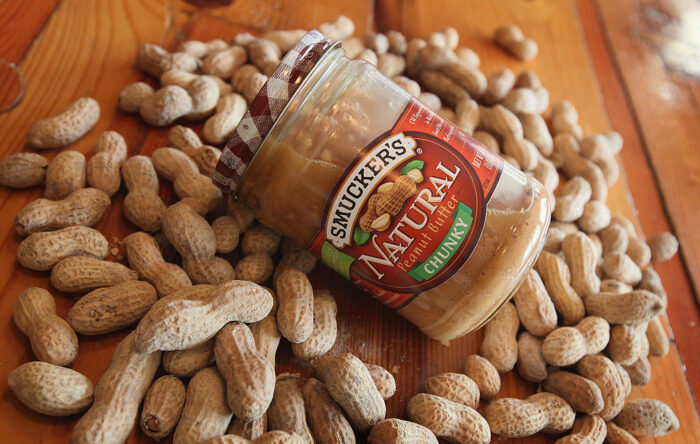
The FDA’s Allergenic Products Advisory Committee voted 7-2 in favor of supporting the efficacy profile of Palforzia, or AR101. Some committee members expressed concerns about a lack of diversity in the Phase III clinical trial.
Although the study of AR101 met its primary endpoint, patients on the drug had more allergic reactions than those on placebo. An allergy expert explained that the disparity reflects time needed to build up tolerance to peanut allergen.
The report found that Aimmune's AR101 and DBV's Viaskin Peanut lacked sufficient evidence to demonstrate that their benefits outweighed short-term risks. Aimmune and an allergy advocacy group criticized the report.

Food allergies are a serious issue for many people – peanuts being one of the most problematic. And for some reason it’s getting worse, as IFLScience spelled out: Food allergies are on the rise in developed nations, but scientists aren’t sure exactly why this is happening. Between 1997 and 2011, food allergies in children increased […]

Healthcare decision-makers, especially at pharmaceutical companies, must prioritize patient input. Data collected from social media listening is a significant step in the right direction.
http://www.youtube.com/watch?v=xxdf7MCv8mk Nietzsche may have been thinking of emotional turmoil when he wrote “That which does not kill us makes us stronger,” but the quote could just as easily apply to a potential life science innovation — a cure for peanut allergies. Scientists testing a treatment on children have had positive results from the most unlikely […]